Platform Account Takeover Card Testing Payment Fraud Pricing Docs Blog
Get a Demo

About Riskgrove

Built by fraud and payments engineers for the platforms that need it most

Riskgrove was founded in New York in 2024 to give digital payment platforms the real-time fraud scoring layer that most rule-based systems weren't built to handle.

2024

Founded in New York

3

Person founding team

200+

Signals per scoring call

Our story

Why we built Riskgrove

Before founding Riskgrove, Rachel spent six years building fraud systems at payment companies. The same problem kept appearing: platforms were good at writing rules (velocity limits, BIN blocks, geographic filters), but none of those rules were fast enough to run inside the authorization window, and none of them could see across entities the way modern attacks require.

Card testing attacks don't look dangerous on a per-card basis. Account takeover attempts pass MFA. Payment fraud patterns live in the relationship between a card, a device, a merchant, and a time window, not in any single field that a static rule can check. The fraud team always found the pattern in the data, after the damage was done.

Riskgrove is the system we kept wanting to have access to. A stateless scoring layer that runs before authorization, evaluates the cross-entity signals that rule-based systems miss, and returns a decision in under 40ms. One API call, one risk score, no rule configuration required.

We started with a small group of digital payment platforms that were willing to let us run alongside their existing stack. The results were consistent enough that we made the API available publicly in late 2025.

Team

The people behind Riskgrove

A small team with direct experience building payment fraud systems from the ground up.

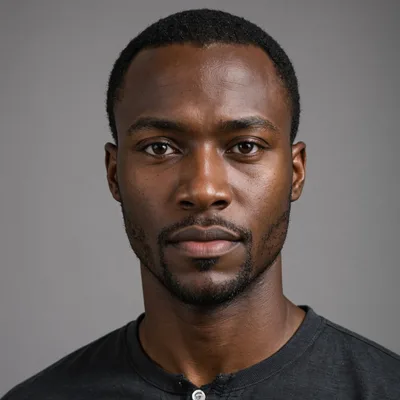
Rachel Adeyemi, CEO and Co-founder of Riskgrove

Rachel Adeyemi

CEO and Co-founder

Rachel led fraud operations and risk engineering at two payment companies before founding Riskgrove. She spent six years building real-time detection systems and the past four specifically working on cross-entity velocity patterns in card-not-present fraud environments.

Dayo Okonkwo, CTO and Co-founder of Riskgrove

Dayo Okonkwo

CTO and Co-founder

Dayo was a senior infrastructure engineer at a financial data platform before Riskgrove. He built the low-latency data pipeline that makes sub-40ms scoring possible and oversees all API engineering, SDK development, and platform reliability.

Taryn Ashford, Head of Risk Engineering at Riskgrove

Taryn Ashford

Head of Risk Engineering

Taryn built fraud detection models at a major card network for eight years before joining Riskgrove. She owns the signal design and model architecture for all three detection modules, and runs the back-test program for new customers.

How we work

The principles that shape how we build

Latency is a product decision

Every feature that adds latency to the scoring path is a feature we don't ship until it can be made fast enough. The scoring layer runs inside an authorization window that doesn't have room for slow.

Signal transparency is not optional

Every score includes the signals that drove it. You should be able to explain to your risk team and to a regulator why a transaction was blocked or flagged. A black box score isn't useful.

False positives cost real money

Blocking a legitimate customer is expensive in the same way a chargeback is. We measure false positive rates as carefully as detection rates, and we optimize the models accordingly.

Your integration shouldn't take weeks

Fraud scoring shouldn't require a dedicated project. One POST endpoint, a response in 40ms, and your authorization flow doesn't need to change structurally.

Small team is a feature

Every customer talks to the people who built the system. When something doesn't work, we find out fast and fix it fast. Support from the engineering team is not a premium tier.

Data goes in one direction

Transaction data you send us is used to score that transaction. It's not used to train models for other customers, not sold, and not shared. Full stop.

Office

375 Hudson Street, 4th Floor, New York, NY 10013

Careers

See open roles